In B2B, clinging to outdated methods is a surefire way to become obsolete. Digital transformation isn’t just a buzzword; it's the lifeline your organisation desperately needs. Yet many companies remain shackled by misconceptions, treating digitalisation as a mere IT upgrade rather than the radical overhaul it demands.
Let’s be clear: digital transformation is not about simply adding new technology to existing processes. It’s about fundamentally reimagining your organisation’s operations and leveraging technology to drive unprecedented performance. This means obliterating silos, redefining roles, and fostering a culture where innovation isn't just encouraged—it's expected. A company like Amazon doesn’t dominate by playing it safe; it embeds continuous evolution in its DNA.
The make-or-break factor
Do you think you can purchase digital habits and skills? Think again. Throwing money at technology without addressing the underlying culture is like pouring water into a broken vessel. Success hinges on cultivating an environment where experimentation takes precedence over fear of failure. Companies with a strong digital culture are more likely to outperform their peers. If your organisation doesn’t foster this mindset, you’re not just standing still; you’re moving backwards.
Rethink or perish
Adaptability is no longer optional; it is a matter of survival. Agility enables organisations to respond quickly to market demands. Such an approach might mean embracing remote work to tap into global talent or reengineering processes to enhance customer experience. The key is a relentless openness to change. Stubborn adherence to "the way we've always done things" is a precursor to disaster.
Mindset over machinery
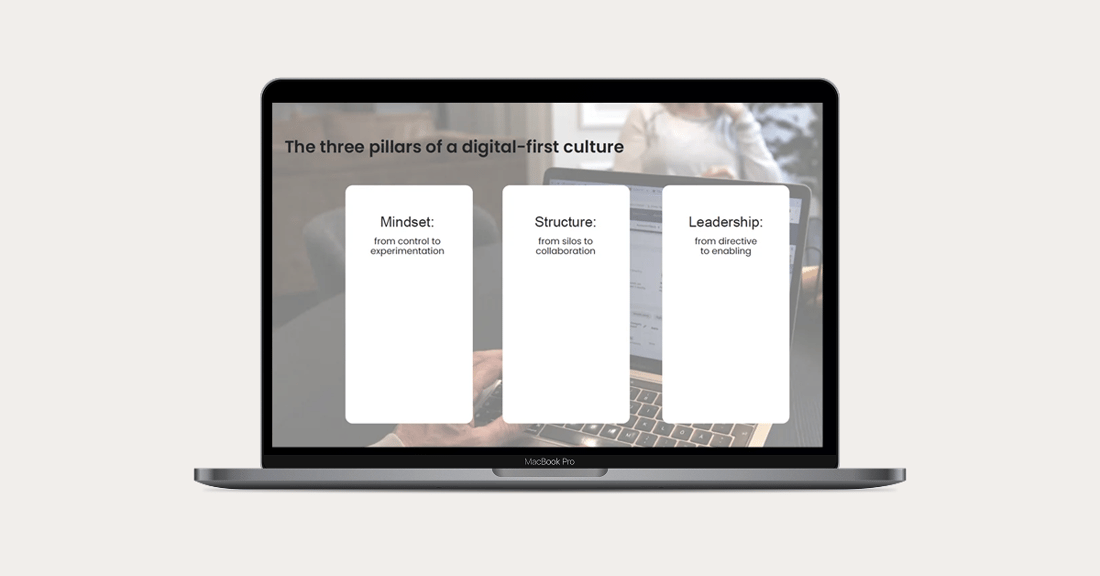
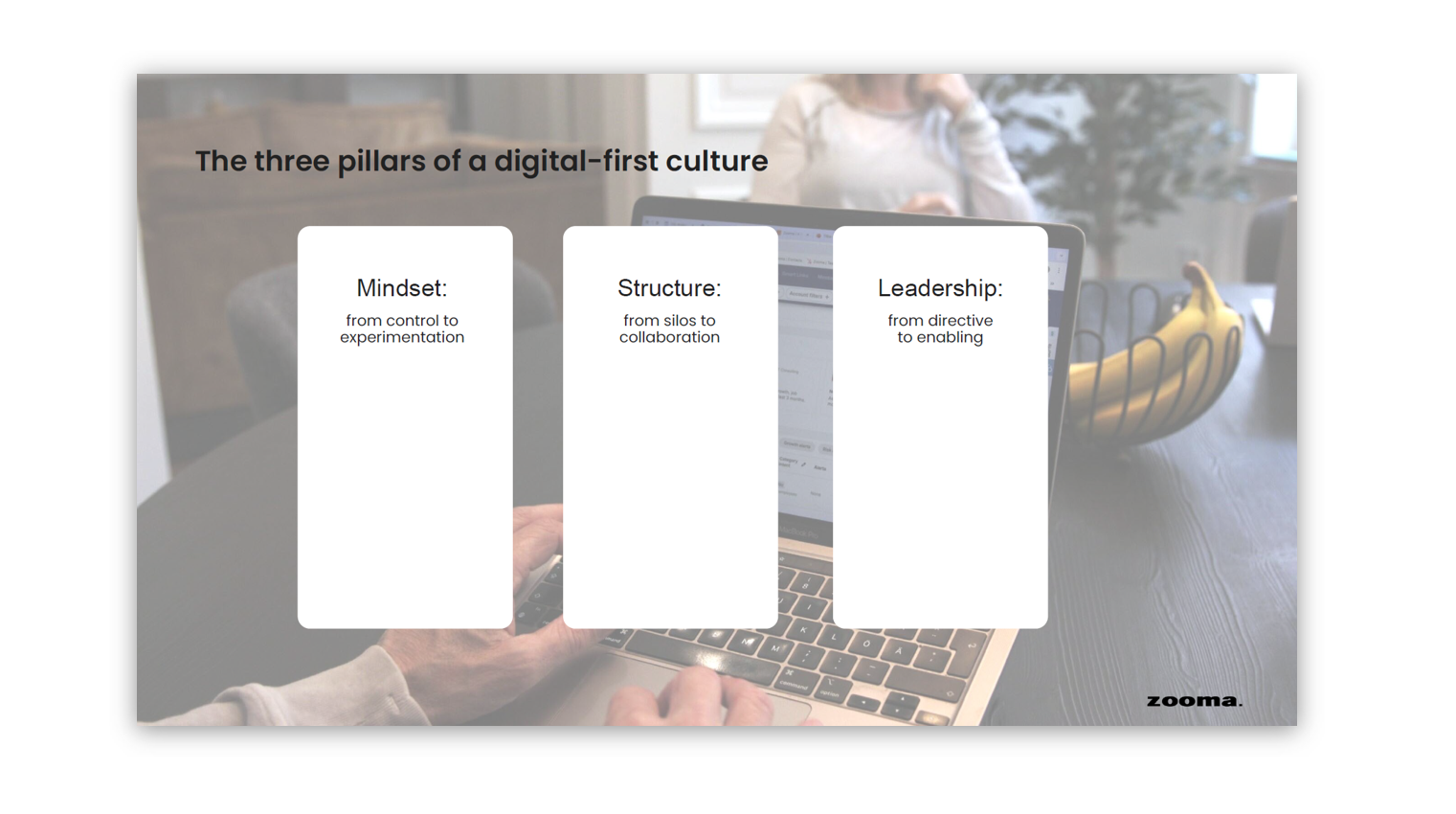
The most significant obstacle isn’t the technology—it’s you. Transitioning from a rigid, traditional mindset to one that embraces growth and flexibility is daunting but non-negotiable. Viewing change as an opportunity rather than a threat is imperative. This shift must permeate from leadership to every employee.
I believe culture is the most significant barrier to achieving digital implementations. Ignoring this issue is like sailing without a compass.
Such an approach involves dismantling outdated paradigms and adopting new ways of working. The challenge isn’t adopting new technologies but fostering a culture of continuous learning and innovation.
Organisations that fail to recognise such opportunities will be outpaced, outperformed, and ultimately rendered obsolete. The future doesn’t wait.
Will you adapt, or will you be left behind?