Thoughts, facts, and knowledge
The B2B Enablement Hub
 Sheila Ghamkhar

How long does it take to see results from HubSpot optimisation?
HubSpot optimisation shows results on two clocks: operational results, such as clean data, working pipelines, usable reporting and teams following the agreed process, typically appear 4–8 weeks after the optimised setup is live and your teams are onboarded. Commercial results, where you start to see some numbers, typically follow within one to two of your sales cycles.
How do I know if our marketing and sales teams are misaligned?
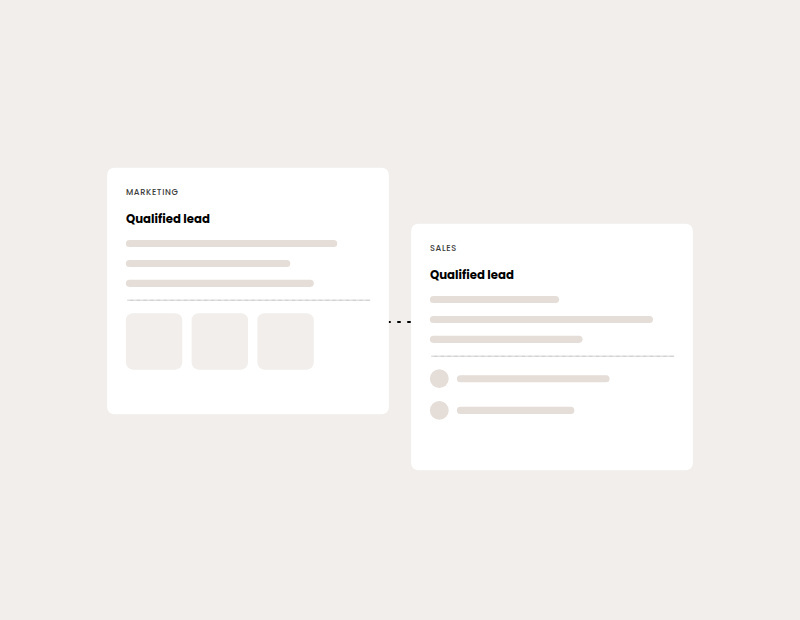
Your marketing and sales teams are misaligned if the following signs show up: sales doesn’t use what marketing produces, leads wait for follow-up, the teams define “qualified” differently, CRM data conflicts, and nobody can say what marketing contributes to revenue. If two or more are true, misalignment is already costing you revenue.
What does Zooma's onboarding and discovery process look like?
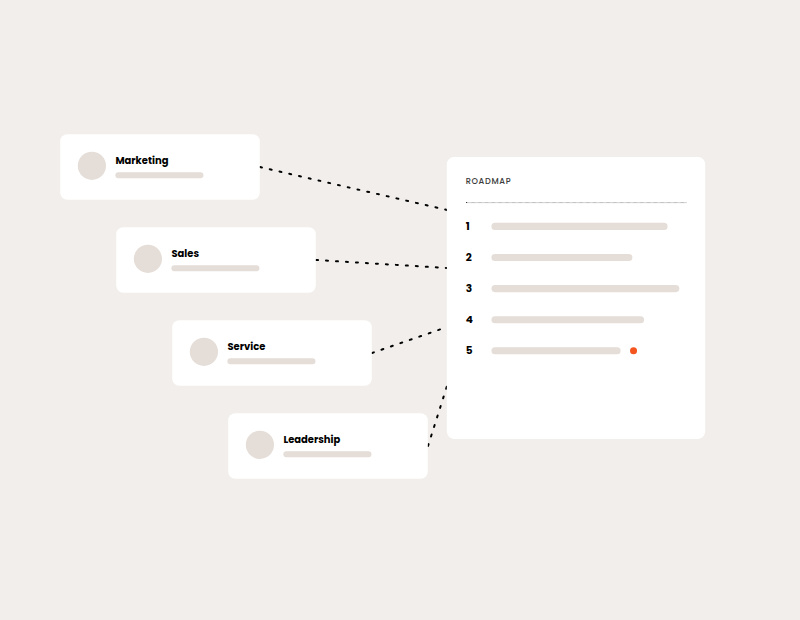
Our onboarding and discovery starts with understanding how your business actually works: your definitions, processes, team structures, ways of working and goals. Through stakeholder interviews and an audit of your systems, data and content, we agree a scoped, prioritised roadmap before any implementation begins. You get a brief, agreed definitions, audit findings and a roadmap.
What's involved in a full HubSpot implementation project?
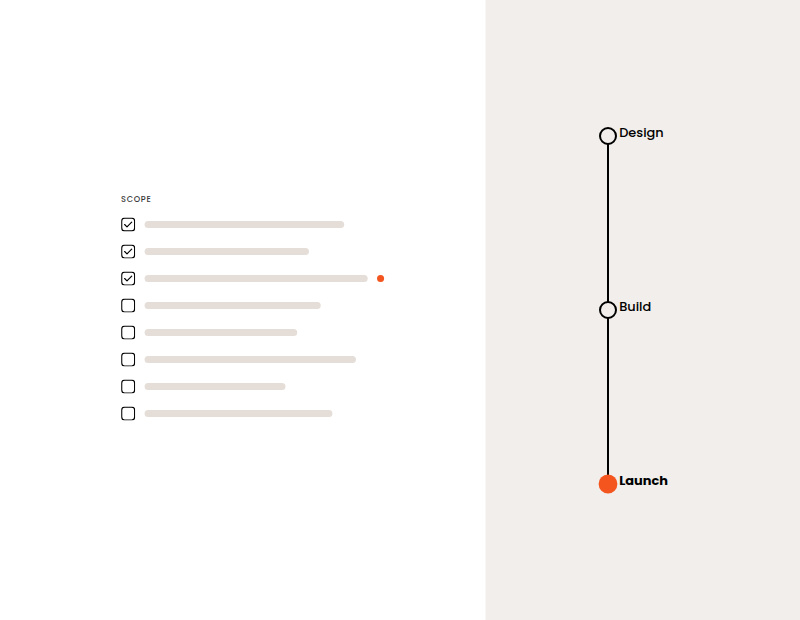
A full HubSpot implementation covers eight workstreams: business objectives, process and data design, hub configuration, data migration, integrations, workflows and automation, reporting, testing and training. The order matters more than the list. Process and data design must come before automation, and the work should run in phases so your teams get working capability early.
How do you make sure you don't become dependent on your agency long-term?
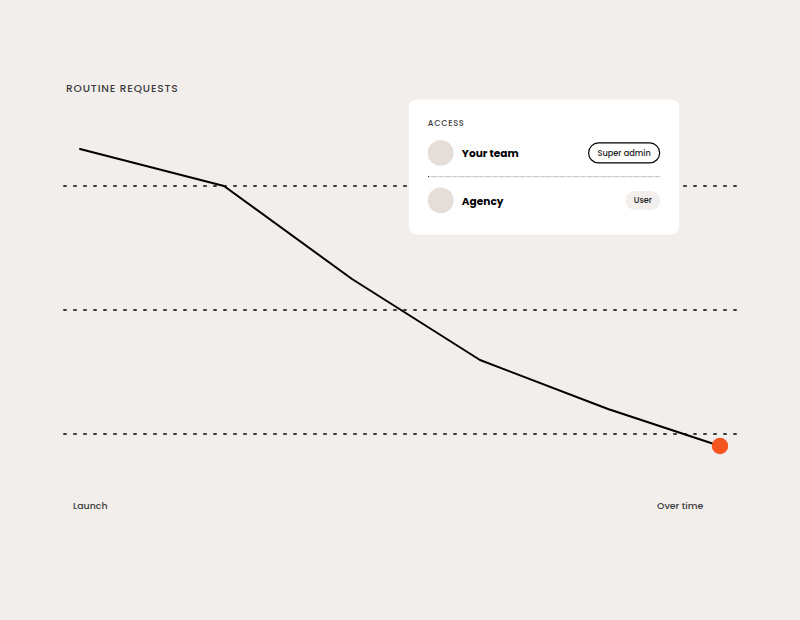
You avoid long-term agency dependency by building four practices into the scope from day one: agree what your team will own, document as the work is built, train your people on real tasks during the project, and measure whether you need the agency less over time. Ongoing support should then be a choice, not a necessity.
Can we speak to references before signing, and what should we ask them?
Yes. We arrange reference conversations with clients in a comparable sector or project type, where the client agrees, and we encourage it. Tell us the concern behind the request, such as implementation risk, adoption, support quality or results, and we'll match the reference to it. Then ask that reference about challenges, outcomes and how involved their own team had to be.
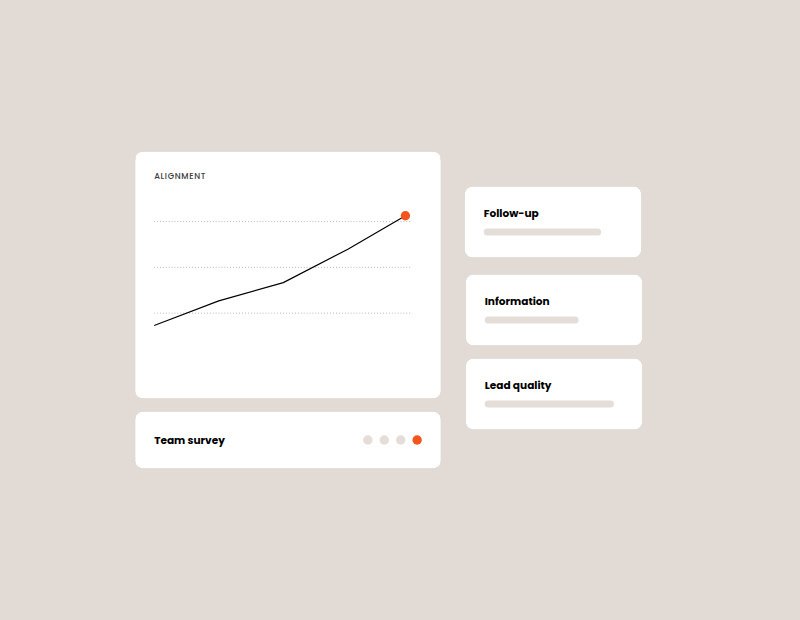
How do we measure if marketing-sales alignment is actually improving?
Measure marketing-sales alignment at the handover: how fast sales follows up on leads, whether sales gets the information it needs, and whether leads match what sales considers qualified. Add marketing's share of pipeline and a short recurring survey of both teams. Compare everything against a baseline taken before you started.
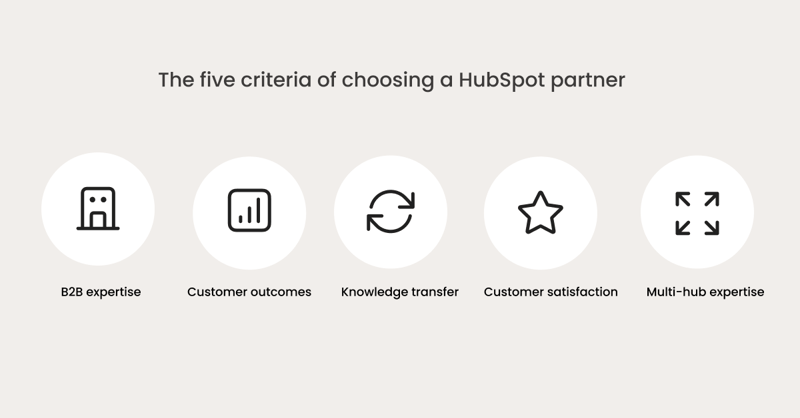
How do I choose the right HubSpot partner?
Choosing a HubSpot partner agency comes down to five criteria: sector depth, implementation track record, delivery model, strategic breadth, and cultural fit. These five criteria will help you uncover whether they understand B2B, not just HubSpot. If they can show real customer outcomes, not just certifications. If they build your capability or their dependency. If they have the knowledge to design a solution that fits your commercial strategies or to configure a default portal. If they will work as a long-term partner, not just as a project supplier. Taking a step further, NPS scores and reference calls reveal what sales conversations hide.
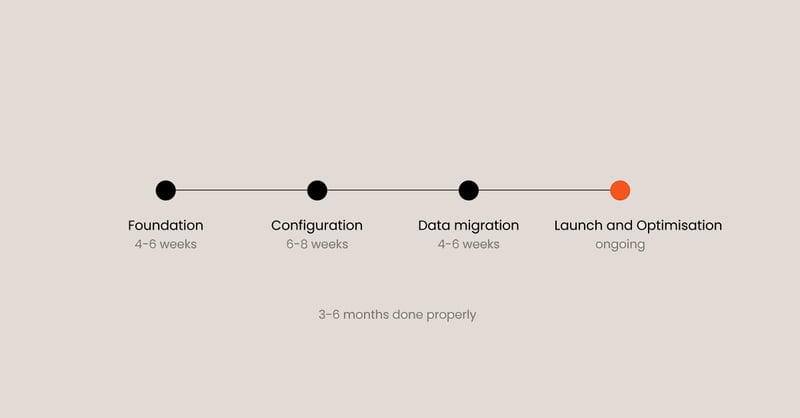
How long does a HubSpot implementation actually take?
A proper HubSpot implementation for a mid-to-large B2B company takes three to six months from kickoff to full go-live. If you've started asking partners for timelines, you've probably heard "six weeks" more than once. The truth is more useful than that. What happens during those months matters more than the number itself, and understanding it will help you avoid the most common implementation mistakes.

WCAG 2.1 beyond compliance: Discover the business benefits of web accessibility
Today, everyone’s talking about WCAG (Web Content Accessibility Guidelines) – and for good reason. The digital landscape is shifting towards greater inclusivity, better user experiences, and more meaningful interaction with digital services. But there’s more to accessibility than simply ticking a compliance box. There are clear business benefits too.