Thoughts, facts, and knowledge
The B2B Enablement Hub

How do I manage change when rolling out sales and marketing processes?
Handle change management as its own workstream, not as a training session at the end. Involve affected people in the design, pilot with a small group, train them before they work in the new process, and make leadership visibly back it. Then track adoption after launch, because old habits return quietly when nobody is looking.


What does 'self-reliance' mean when working with an agency, and why should I care?
Self-reliance means your own team has the knowledge, access and confidence to run, update and maintain what an agency builds for you, without calling the agency for routine work. You should care because it decides where your budget goes. Money spent on tasks you could learn yourself is money not spent on the next strategic step.


Marketing agency or B2B enablement agency: what's the difference, and which do you need?
A marketing agency creates the campaigns, content and assets you ask for. A B2B enablement agency starts one step earlier: it brings marketing and sales together, finds the gaps between them, and builds the strategy, processes and content that help sales win deals. Choose a marketing agency when you know exactly what you need produced; choose an enablement agency when the problem is how your teams work together.


How does poor marketing-sales alignment actually hurt revenue?
Poor marketing-sales alignment hurts revenue in three ways: qualified leads go cold before sales follows up, marketing spends budget on content and campaigns sales never uses, and leaders lose sight of which deals are actually winnable. None of these show up as one big loss. They leak quietly, every quarter, and the costs accumulate.
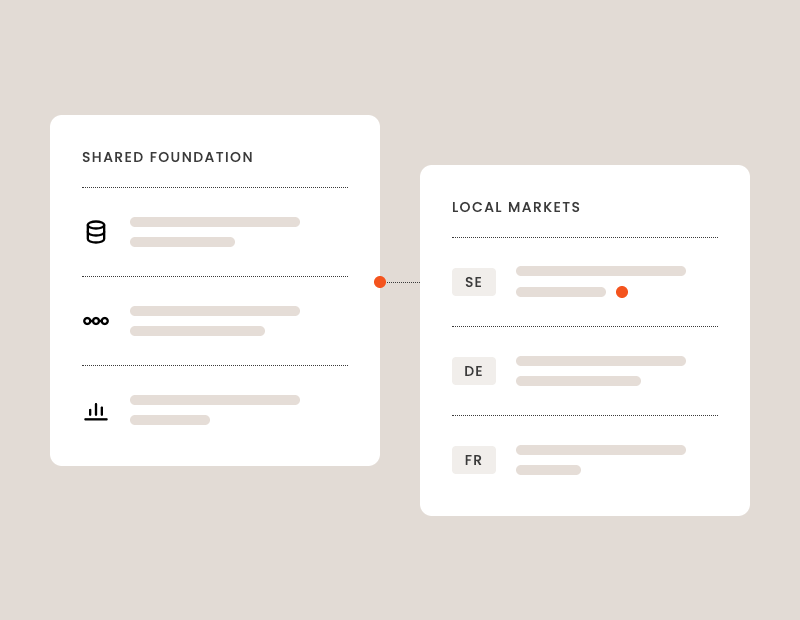
Do you work with companies that operate across multiple European markets?
Yes. We at Zooma work with B2B companies that operate across several European markets, and with global companies beyond Europe. We usually start with the global headquarters, agree what should be shared across every market and what must stay local, and then roll the HubSpot setup out to local markets one at a time, with GDPR and local privacy rules built in from the start.

Do we need external help or should we hire internally? How B2B companies should decide
Hire internally when you need more capacity for work that recurs every week. Bring in external help when you need capability you don't have and won't use often, such as redesigning how marketing, sales and service work together. For most mid-sized B2B companies the honest answer is both, in sequence. External experts build and test it. Internal people own and run it.
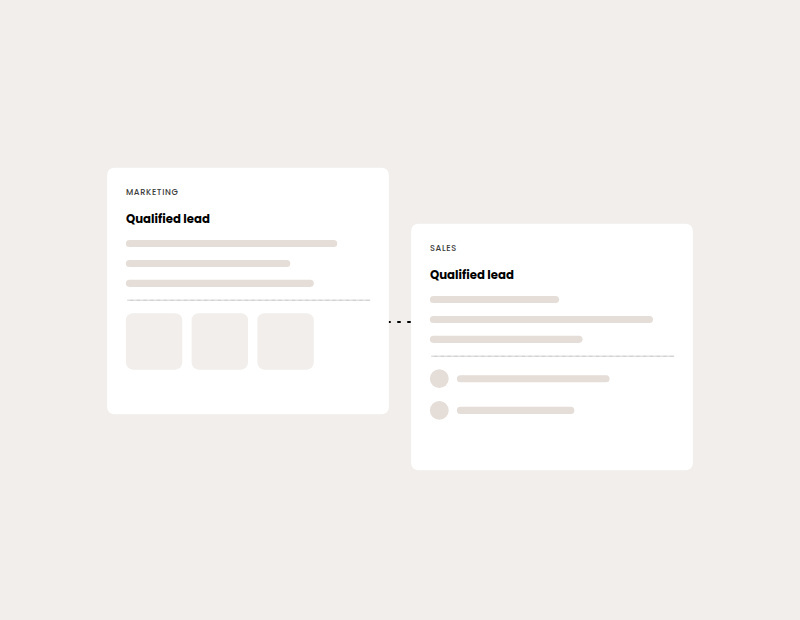
How do I know if our marketing and sales teams are misaligned?
Your marketing and sales teams are misaligned if the following signs show up: sales doesn’t use what marketing produces, leads wait for follow-up, the teams define “qualified” differently, CRM data conflicts, and nobody can say what marketing contributes to revenue. If two or more are true, misalignment is already costing you revenue.

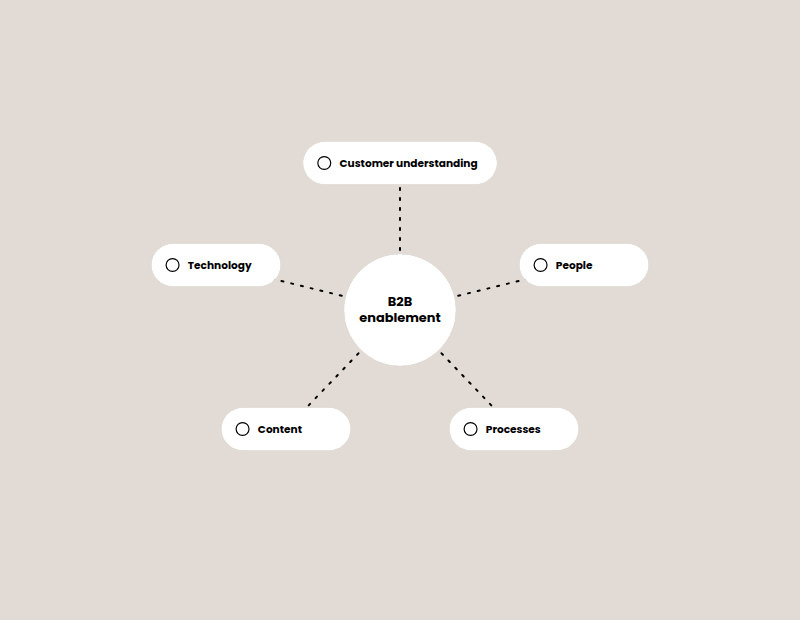
What is B2B enablement, and why does it matter for growth?
B2B enablement connects the people, processes, content, data and technology that help a company market, sell and serve customers effectively. Its aim is to build a capability the organisation can sustain and improve itself.

What is the difference between being present and being active on LinkedIn?
Being present on LinkedIn means having a complete profile and a network. Being active means regularly contributing something useful to the people you want to reach by commenting, publishing and following up. Presence makes you findable. Activity starts conversations with potential customers, and those conversations drive business results.
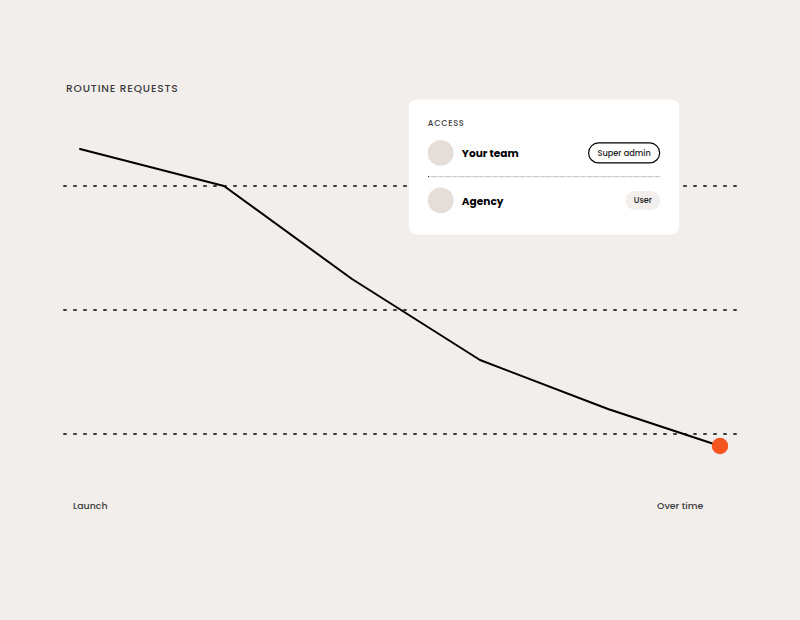
How do you make sure you don't become dependent on your agency long-term?
You avoid long-term agency dependency by building four practices into the scope from day one: agree what your team will own, document as the work is built, train your people on real tasks during the project, and measure whether you need the agency less over time. Ongoing support should then be a choice, not a necessity.
How do we measure if marketing-sales alignment is actually improving?
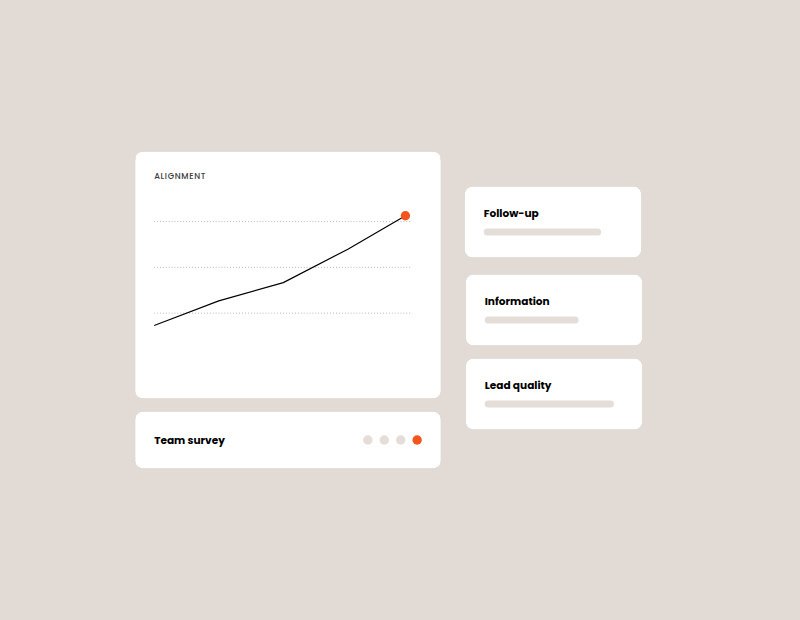
Measure marketing-sales alignment at the handover: how fast sales follows up on leads, whether sales gets the information it needs, and whether leads match what sales considers qualified. Add marketing's share of pipeline and a short recurring survey of both teams. Compare everything against a baseline taken before you started.
Why is inbound marketing still relevant for industrial B2B companies?
Inbound marketing is still relevant for industrial and manufacturing companies because your buyers research quietly and extensively before they contact sales. Larger buying groups and sales cycles of 6–18 months make inbound more valuable, not less: without it, you are invisible for most of the evaluation. What has changed is how inbound must be done.


How do you align marketing, sales and service teams in practice?
You align marketing, sales and service by building a shared operating system, not by running a workshop. In practice, that means six steps in order: a shared view of the customer, shared definitions, one set of CRM data, defined handoffs, shared dashboards and a recurring cross-functional review. The order matters because each step depends on the previous one.

How is an enablement partner different from a typical HubSpot solutions partner?
The main difference is where the work starts. A typical HubSpot solutions partner starts with the platform and configures what you ask for. We at Zooma start with your commercial outcome and how your customers buy, then shape HubSpot to support it, push back on requests that don't, and train your team to own the result.
How do you measure success in a B2B enablement engagement?
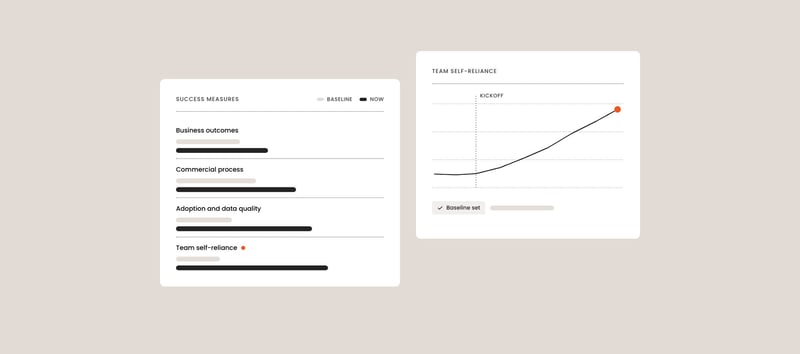
Success in a B2B enablement engagement is not a delivered project. It is a measurable change in how your company wins and keeps customers. Measure it on four levels, agreed and baselined before kickoff: business outcomes, commercial process, adoption and data quality, and your team’s ability to sustain the change without outside help.