- The Bulletin
- Our most practical AI workshop yet
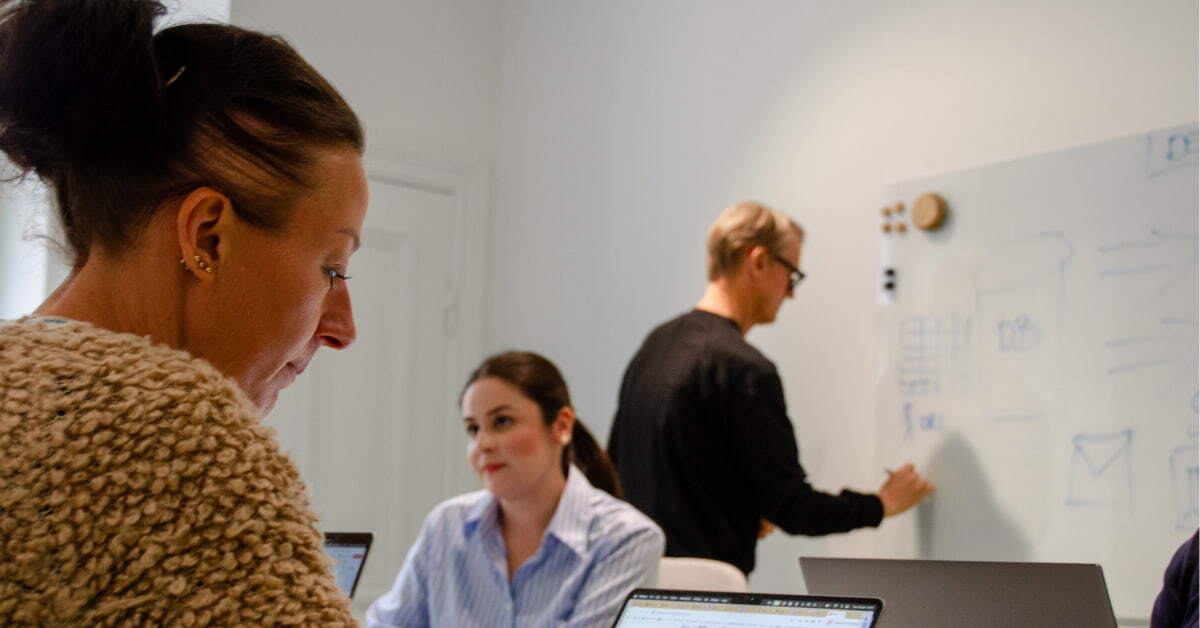
We held our last Zooma AI workshop of 2025, and unlike previous sessions, where we mainly showed new tools and inspiring use cases, this time we focused entirely on doing. All Zoomers worked hands-on in groups to define use cases and solve them using AI. The agenda was simple: identify a challenge, work on it, and present a practical result.
Why we approached it this way.
Great ideas often stem from those closest to everyday challenges. By allowing everyone to define and solve their use cases, we transform AI from something we observe into something we actively use, creating real value for Zooma, our team, and our customers.What the groups delivered.
Team 1: Kodmor tech: Custom developer GPT.
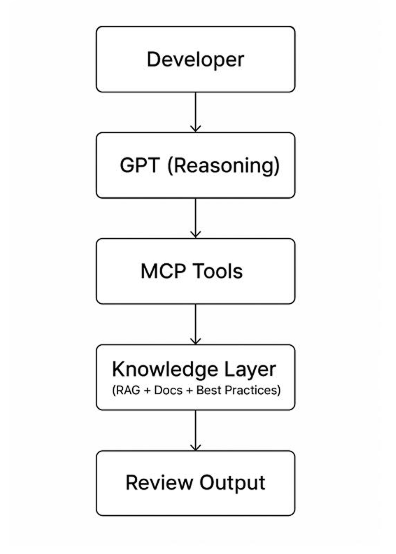
This team explored how a Zooma-specific GPT could understand our codebase, follow our development best practices, and act as an AI teammate directly in ChatGPT.
Their vision outlines a significant step toward more intelligent, consistent, and high-quality development workflows.
Review the implementation steps they proposed.
Team 2: AI content repurposing.
Our content creators selected a high-performing article and transformed it into a full multi-channel ecosystem. Their outputs included:
- a podcast
- a nurturing email
- a social media carousel
- a video
The result: more impact and extended reach from content we've already invested in.
Watch the video of the repurposed article: How to create a LinkedIn newsletter that engages your audience.
Team 3: AI-assisted animation workflow.
The art directors tackled a familiar challenge: animation projects often arrive late, get deprioritised, or lose momentum because of lengthy iterations and export/format friction.
Their use case focused on establishing a workflow where AI:
-
accelerates early animation iterations
-
reduces repetitive manual work
-
empowers Art Direction to refine and curate the results
-
maintains brand consistency without requiring code
A promising step toward faster, more efficient creative production.
Team 4: Improving customer agents and data quality.
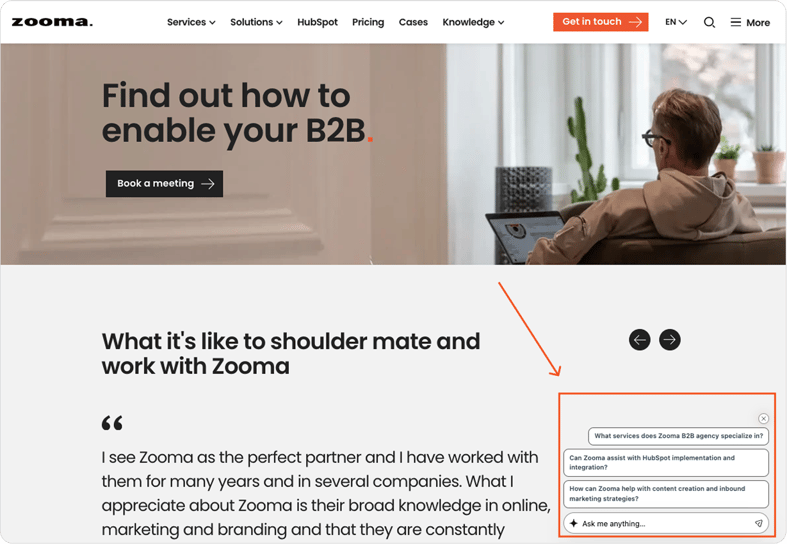
This team worked on improving the visibility, clarity, and alignment of our customer agents with the Zooma brand voice. They also strengthened data quality, refined the health score, and explored how a 'customer health agent' could provide better account insight.
Try the new customer agent at zooma.agency.
Team 5: Project management.
Team 5 focused on an essential operational need: creating a clear, visualised understanding of the entire end-to-end process—from initial customer input to final project planning.
They mapped and analysed the workflow:
Customer input → ideation → scoping → estimation → quoting → evaluation → project planning
This is especially critical when customers themselves aren't fully sure what they need. By clarifying and visualising this journey, the team aims to reduce friction, support decision-making, and make alignment easier for both Zoomers and customers from the very start.
The AI year ended on a strong note.
This final workshop showed how much stronger AI becomes when everyone gets hands-on. Rather than viewing demos, we actively engaged in building. Rather than seeking inspiration, we produced tangible results. A wonderful conclusion to the 2025 AI workshop series and an exciting starting point for what we'll create next year.
Subscribe to the Bulletin below for further updates.