
- Learn
- The B2B Enablement Hub
- From B2B noise to relevance
The sheer volume of marketing content overwhelms most B2B decision-makers. Emails, generic posts, webinar invites, and downloadable white papers flood their inboxes and feeds, but most of it fades into the background.
That’s a question I keep returning to in an age of automation and overload. Understandably, most leaders ignore the hundreds of emails and sales messages they receive daily. We're just another ping in the noise if we’re not offering something beneficial.
“In B2B, attention is the most valuable currency. Are you spending it wisely?”
Adding value or just more noise?
Not all content earns its place or deserves publication. Before sending, posting, or publishing, we must ask whether the information simplifies a decision or adds another item to ignore.
More volume often leads to more waste. I would guess that two-thirds of the decision-makers I know frequently say they’re overwhelmed by the content they receive—and that much of it lacks relevance. Overcommunication quickly becomes counterproductive.
The fix? Strip away the fluff. A brief message that addresses a real, relevant problem is more valuable than a beautifully designed PDF no one finishes. Content should clarify, not complicate. It should help buyers move forward, not just help marketers hit “send”.
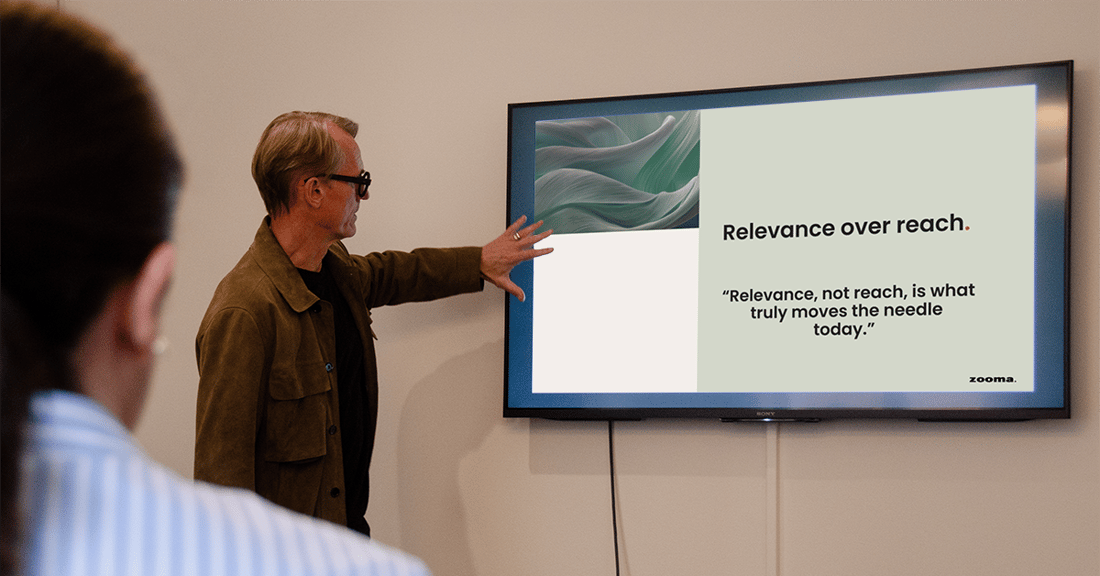
Relevance over reach
For a long time, B2B marketing chased scale. But reach without relevance is just noise at scale.
B2B companies must shift from broadcasting to narrowcasting—zeroing in on the people who care about the problem we solve and offering content that resonates with them.
“Relevance, not reach, is what truly moves the needle today.”
This doesn’t mean you need to personalise every sentence, but it does involve tailoring your message to specific industries, roles, or buying stages and timing it carefully. Generic content may be easier to produce, but only relevant content captures attention.
Timing, empathy, and the art of earning attention
Attention in B2B isn’t claimed; it’s earned through timing, empathy, and usefulness.
The best content answers a question your customer is already asking. According to MarketingProfs, 80% of B2B decision-makers want content that aligns with each step of the buying journey. We must prepare the right content for their needs when they search, not when they don’t.
This is where empathy matters. Step into your customer’s shoes. What’s keeping them awake at night? What could help make their work easier right now? Content that meets those needs—a guide, a checklist, or a story—builds trust.
It’s not about saying, “We understand you.” It’s about showing it.
The path to meaningful engagement
Every piece of content faces a choice: to add to the noise, provide clarity, chase vanity metrics, or earn genuine engagement.
So next time you’re about to hit “send”, pause for a moment. Consider the person on the other end. Their inbox is full. Their time is limited. Their attention must be earned—one relevant, well-timed message at a time.
Ask yourself:
Am I communicating with intent or just filling a content quota?
I would like to know which recent B2B content piece caught your attention.
Sign up here for more insights:

