When we started working according to the inbound methodology many years ago, we thought that it was something that could evolve our customer’s ways of working with marketing and sales. Soon, however, we understood that it has very little to do with sales or marketing per se. It’s about knowing ‘how it is to be them’ and to stay relevant to them—your prospects and customers!
People still waste time arguing about the difference between inbound marketing and content marketing and if the former or latter is more important. The whole discussion is ridiculous.
- The main thing for you to consider and decide is if you are willing to make an effort to think only from the outside—from the perspective of your target group.
- Secondly, are you brave enough to challenge your company culture and organisational mindset?
Those are the kinds of questions that you need to have an answer to long before you spend the time to determine the description of what you want to do.
First, you need to focus on what you want to achieve. Then, you need to explore and determine how it is to be on the outside of your company as a customer. And finally, you need to consider how you should behave when your primary focus is their needs, expectations, and behaviour.
Imagine how it is to be in contact with your company today. Is it the same experience when I am a prospect or a customer or need customer support from an after-sales department?
One interface to the customer: the market department
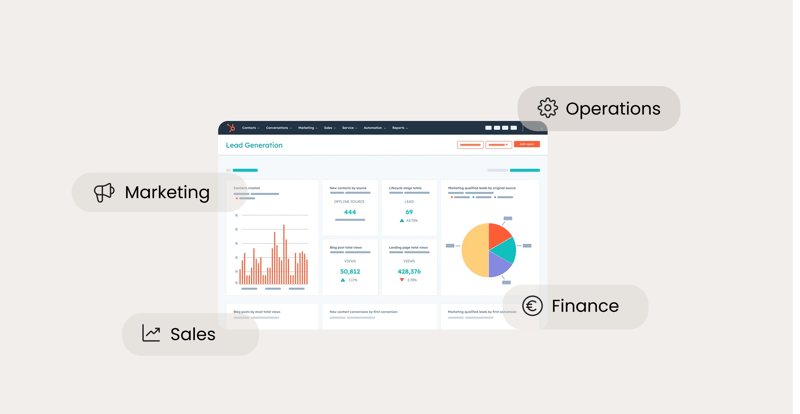
So maybe you should drop the expressions marketing, sales and after-sales altogether? And open the market department—one unit that is entirely responsible for ‘how it shall be to be them’ and ‘to treat them exactly like they want to be treated’.
You need to have people with expertise from these previous three departments in complete sync with each other, with everyone knowing what’s going on all the time. You must remove all organisational barriers to better nurture and support your customers.
Start syncing your organisation and teams by having bilateral meetings, using the same database, and start to measure a few metrics side by side. Align purposes and ways of working, include NPS in the KPIs and the bonus models, and make sure that everything you do drives the customers and your business forward.
To get a good and fresh start—and most importantly, to have the right mindset in place and one consistent interface to the customer—go ahead and start the market department!
What are you waiting for?
The article was updated May 23, 2019